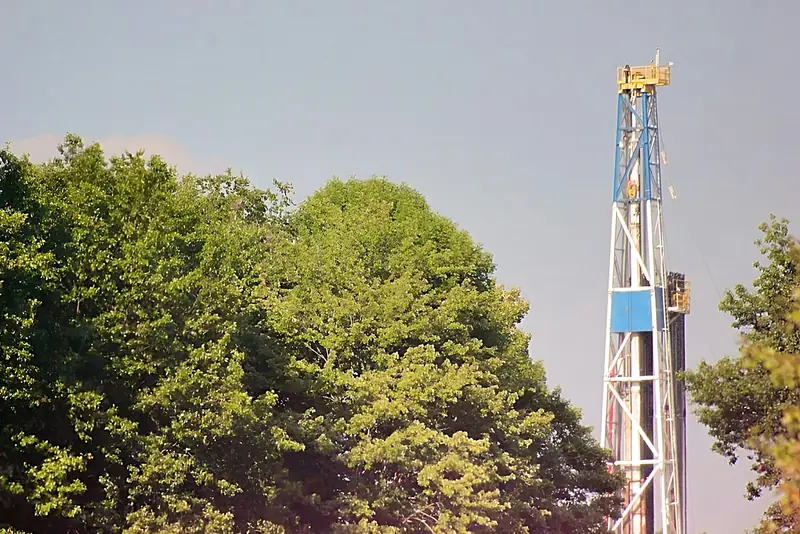
Knowing what happens on drilling day helps you prepare your property, ask the right questions and spot a contractor who's cutting corners.
Before drilling
- City approval. The City of Ekurhuleni requires permission before drilling. See borehole rules in Ekurhuleni.
- Siting. Choose a spot that the rig can reach, away from septic tanks, sewer lines and buildings. Some homeowners pay a geohydrologist for a survey to improve the odds of finding water.
- Access. The rig is a large truck. Check the driveway width, gate height, overhead cables and tree branches with the driller in advance.
- Quote. Agree the price per metre, the maximum depth, casing, the yield test and what happens if the hole is dry. See what a borehole quote should include.
On the day
- Drilling usually takes most of a day, sometimes more for deep holes. It's loud and messy: expect dust or mud, and rock chips around the site. Tell your neighbours.
- The driller logs the depth where water is struck and the type of rock.
- Casing (steel or PVC pipe) is installed through the soft upper layers to stop the hole collapsing.
- The water is blown out with compressed air for a first rough idea of flow.
After drilling
- Yield test: the borehole is pumped for a set period to measure how much it can supply reliably. Don't skip this. It decides the right pump size. See borehole yield tests explained.
- Pump installation: the pump, cable, control box and pipework are installed, often a day or more later. You may add a tank and booster pump or a solar pump.
- Water test if you plan to use it in the house. See borehole water testing.
- Clean-up: agree in advance who removes the drilling spoil.
Ask for these documents
Keep the drilling log (depth, water strike, casing length), the yield test result and the pump details. They're useful for repairs and when you sell the house.
Ready to compare prices? See borehole drilling cost in Benoni.